☆TOP 5 Places you must see in Seoul☆
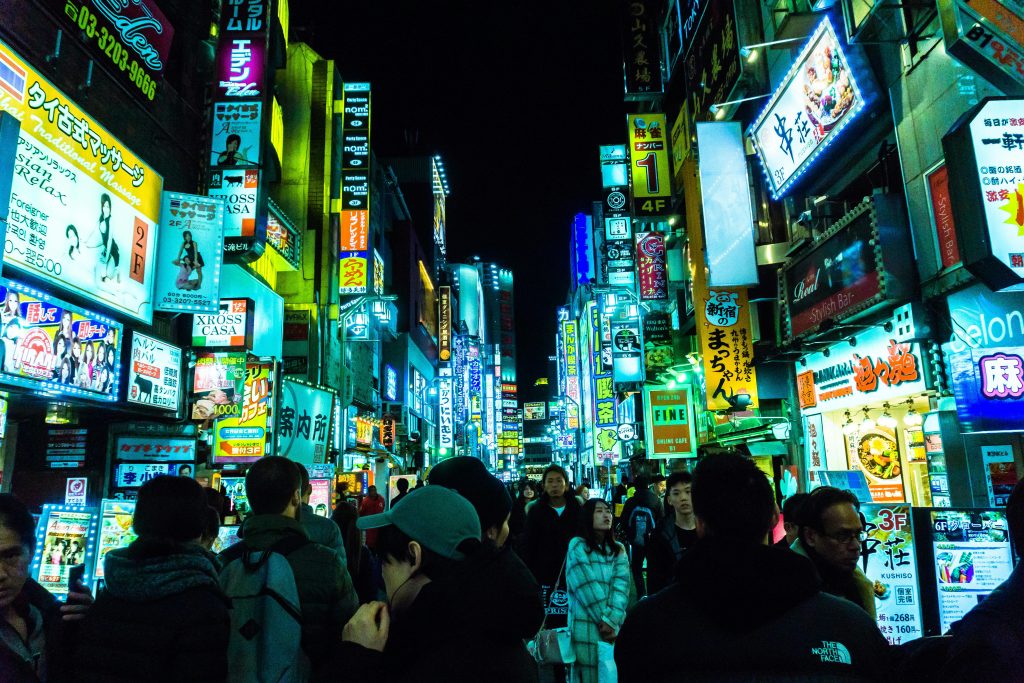
No.1★
Hongdae Street

Hongdae Street is Seoul’s premier youth and arts hub, renowned for indie music, street performances, and trendy fashion. Centered around Hongik University and the vibrant Eoulmadang-ro (often called the “Red Road”), it offers a bustling mix of indie boutiques, K-beauty stores, photo booths, and lively nightlife.
No.2★
N Seoul Tower
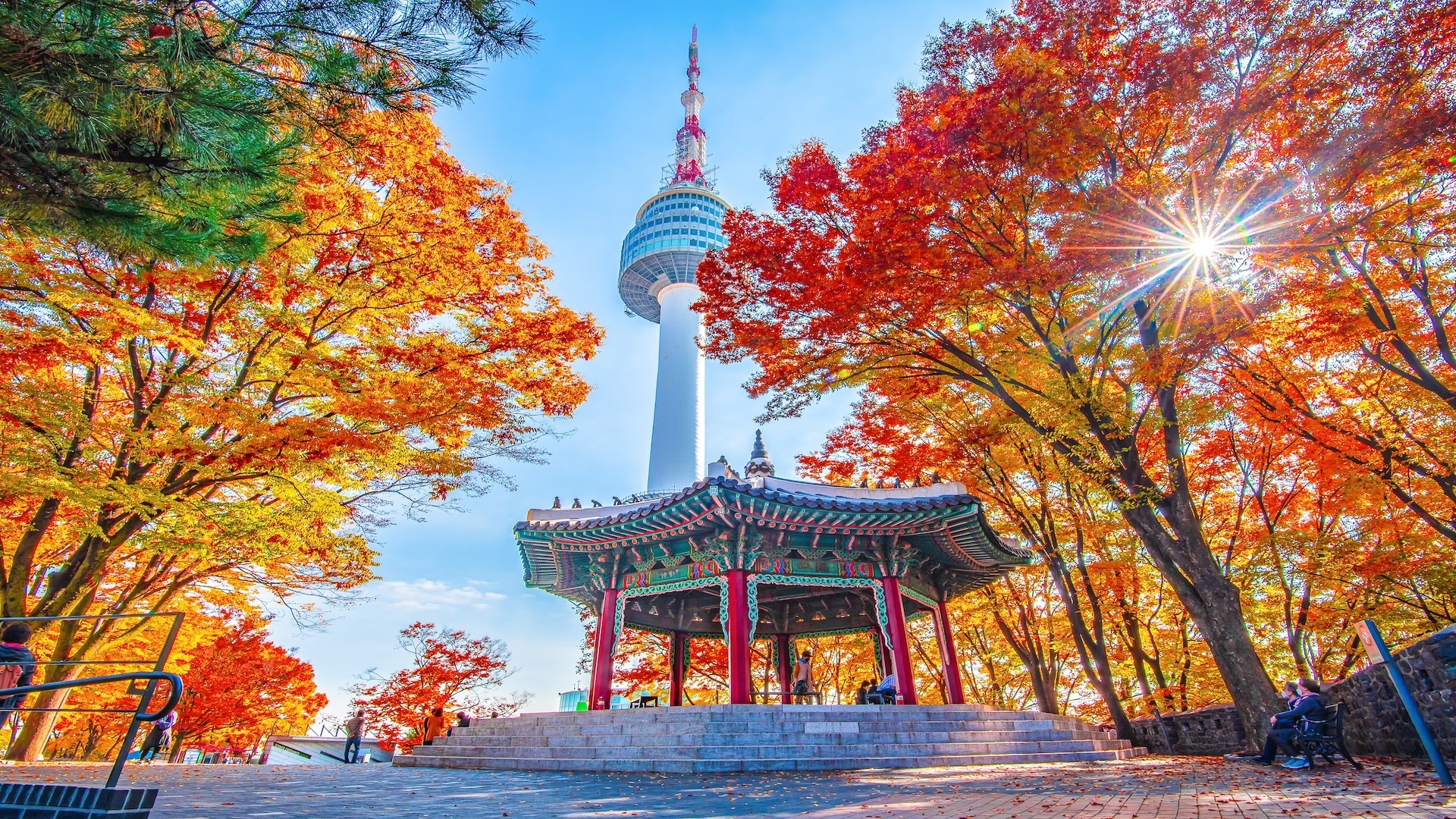
N Seoul Tower (also known as Namsan Tower) is an iconic communication and observation tower located on the summit of Namsan Mountain in central Seoul, South Korea. Measuring 236.7 metres tall from its base and sitting 479.7 metres above sea level, it marks the highest point in the city and offers unparalleled 360-degree panoramic views of the entire capital. Originally built in 1969 as Korea’s first general radio wave tower, it opened to the public in 1980 and has since evolved into a premier cultural landmark
No.3★
Lotte World

Korea’s premier amusement park, Lotte world, is all about thrilling rides and family-friendly attractions. Adrenaline junkies won’t want to miss The Gyro Drop, a hair-raising free-fall tower that drops from a height of 230 feet (70 meters). And there’s plenty for young children, too, from The Comet Express ride to the Boong Boong Car racetrack and South Korea’s largest indoor skating rink.
No.4★
Gwangjang Market
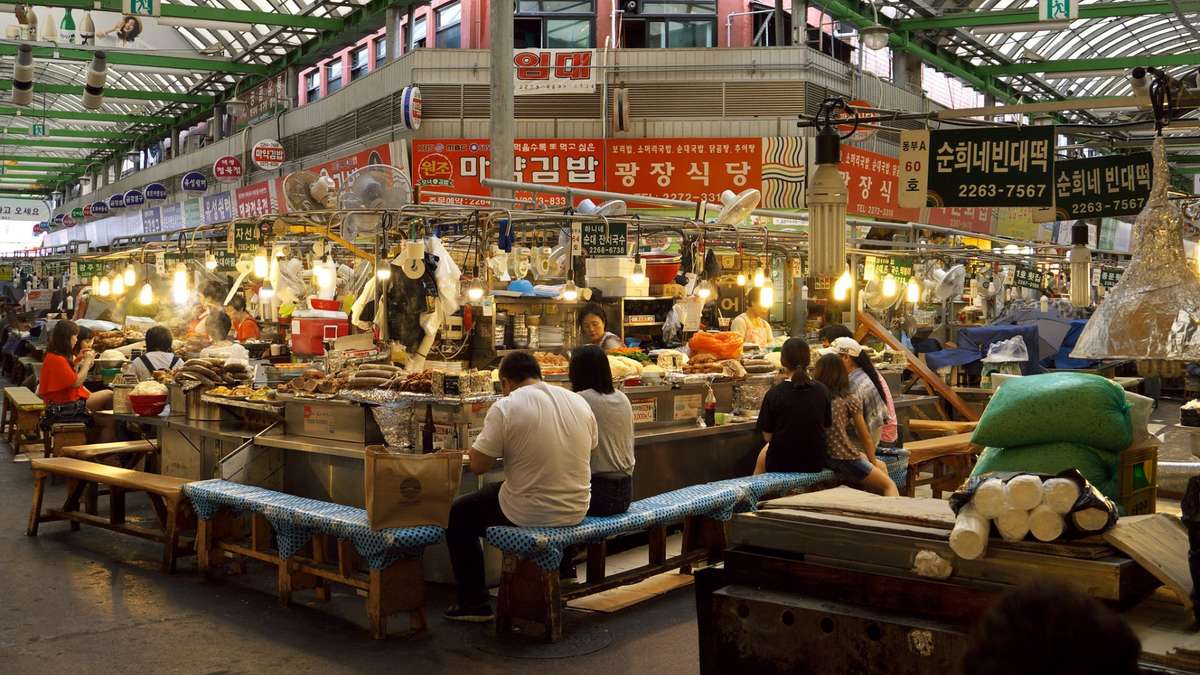
One of Seoul’s most beloved markets, Gwangjang Market is a must-visit for food lovers looking to experience authentic Korean street food and shoppers looking for unique souvenirs. Here, vendors sell everything from freshly made gimbap (seaweed rice rolls) to traditional Korean textiles. Walk through the packed crowd under a canopy of multicolored flags, find a seat at a bustling stall, and take in the lively atmosphere.
No.5★
Bukchon Hanok Village

Bukchon Hanok Village is a beautifully preserved traditional resdential nieghbourhood in Seoul, South Korea, located between Gyeonbokgung Palace and Changdeokgung Palace. Dating back over 600 years to the Joseon Dynasty, this scenic area features roughly 900 hanoks (traditional Korean wooden houses). Today, it functions as a living piece of history where modern cityscapes meet narrow, stone-paved alleyways and distinct tiled roofs
Leave a Reply